Cold Rolled Steel CNC Machining
CNC machining of cold rolled steel: the collected mechanical band, the surface-quality and dimensional-accuracy reasons to pick CRS stock, and the corrosion caveat to plan around.
Last updated: 2026-10-29
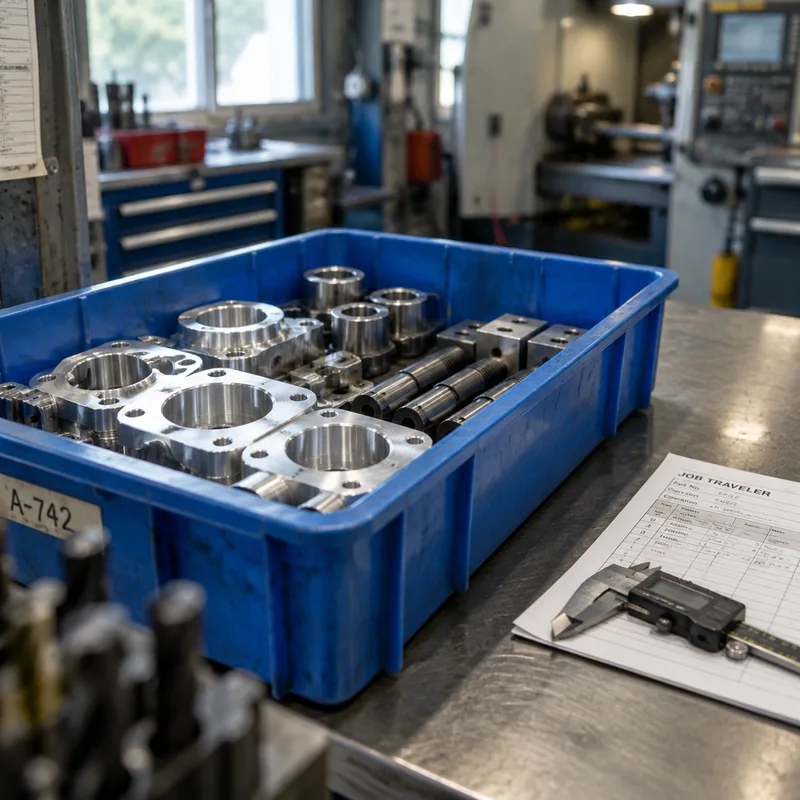
Cold rolled steel is steel finished at room temperature into close-tolerance sheet and coil. The cold process leaves the surface without mill scale, dimensionally tighter and visibly smoother than hot-rolled product — which is why it is the default stock for brackets, housings and any part whose surface shows. The collected mechanical band covers yield, tensile and elongation at the level general fabrication assumes.
The trade is corrosion: the bare surface carries no scale protection and rusts quickly in humid air, so cold rolled parts almost always leave the shop painted, plated or otherwise coated. Machining behavior is benign — this is the low-stress end of steel cutting — and the flat, clean stock is friendly to fixtures and to finishing.
Specifications
| Property | Value | Condition |
|---|---|---|
| Yield strength (0.2% offset) | ≥ 198 | source table states the value without a unit — confirm the unit basis at quotation |
| Tensile strength | 315–430 | source table states the value without a unit — confirm the unit basis at quotation |
| Elongation | ≥ 33 | EL; source table states the value without a unit |
| Density | ≈7.85 g/cm³ | low-carbon steel, cold-rolled sheet |
| Hardness | ≈126 HB | 1018 cold-rolled anchor (Brinell) |
| Max size | Not established in the collected evidence — confirm at quotation. | |
| Surface finishes | Not established in the collected evidence — confirm at quotation. | |
Values above are rendered from the collected model-evidence layer, each carrying the heat-treatment condition it was reported under; fields without collected evidence are stated as not established rather than estimated. Requirements outside the table are confirmed for the specific geometry and batch at quotation.
Applications & Selection Points
Housings, brackets and visible sheet-metal parts
Where a part is seen, painted or powder-coated, cold rolled stock is the usual starting point: the smooth, scale-free surface takes coating directly without the stripping or blasting hot-rolled scale demands. Stamping performance is strong, so formed-then-machined hybrid parts start here too.
Automotive, construction and coated-product feedstock
The grade feeds automotive panels, construction components and the coated-sheet industry — it is the preferred base for galvanized and pre-painted product. Parts destined for coating should have the coating system named on the RFQ, since surface preparation differs between systems.
The corrosion plan
Bare cold rolled steel starts oxidizing on contact with humid air — dark red rust is the expected result of unpainted storage, not a defect. Specify the finish with the part: plating, painting or powder coat, and oil-wrap for interim storage. The one-line summary for buyers: this steel is chosen for its surface and its price, and it must be protected.
Where it is the wrong call
Strength-critical shafts and gears belong to the medium-carbon grade; corrosion-exposed parts without a coating budget belong to stainless; and high-heat service belongs elsewhere entirely. Also note the collected table for this grade omits units — a reminder to confirm the acceptance basis against the actual mill certificate rather than assuming the sheet value.
Frequently Asked Questions
Cold rolled or hot rolled for my part?
Decide on surface and tolerance, not habit. Cold rolled wins where the surface shows, tolerances are tight, or the part gets coated without heavy preparation; hot rolled wins on thicker sections and price where the surface will be machined or hidden anyway.
How should I protect cold rolled parts after machining?
With a named finish: zinc plating, painting, powder coat or blackening, depending on the exposure. Unprotected storage in humid air rusts the surface quickly, so interim protection — oiled wrap for transit and dry indoor storage — matters even for parts that will be coated later.
What should a quote request include?
Model and drawing with tolerances, stock form (sheet thickness matters to sourcing), the finish system and any coating standard, quantity, and inspection needs. If the part is strength-critical, ask for the mill certificate — published tables are indicative, certificates are contract-grade.
Ordering & Documentation
Documents
Send the model with a drawing that names stock form, thickness and the finish system. Coating specification belongs on the drawing, not in an email thread.
Quotation
Price follows the model, stock selection, finish system and quantity. Named finishes quote cleanly; vague protection requests do not — say plating, painting or powder coat.
Sample & Supply
First articles should be approved after coating, since the coating is part of the fit. Coating adhesion on the cold-rolled surface is dependable, but the approval belongs to the finished state.
Storage & Shipping
Ship oiled or wrapped and store dry. Rust on an uncoated surface is the expected chemistry, not a warranty event — the protection plan is part of the part.