Buyer guide
CNC Machining Materials: How to Choose a Grade
Material choice should begin with the part environment and function, then be checked against machinability, stock availability, finishing and documentation requirements.
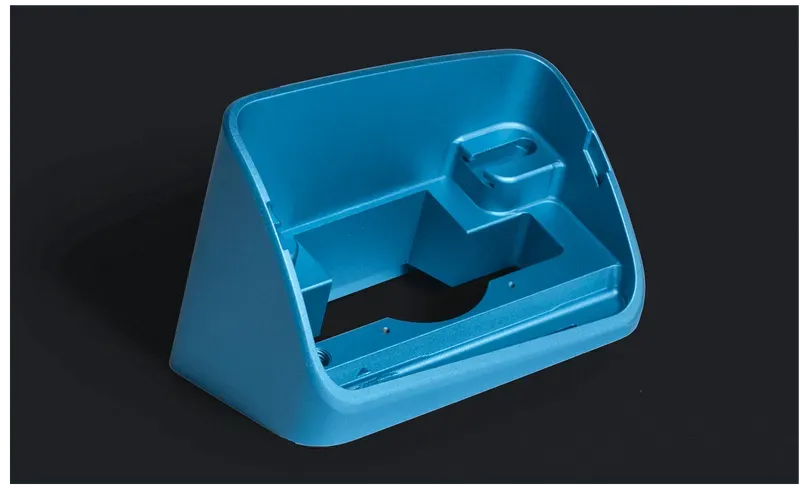
Aluminium and steels
- 6061 is a common general-purpose aluminium choice; confirm strength, temper and finish needs
- 7075 can suit higher-strength applications but changes machining and finishing trade-offs
- 303, 304 and 316 stainless grades serve different machinability and corrosion needs
- Carbon steel selection depends on strength, wear, weldability and protection against corrosion
Copper, brass, titanium and plastics
- Copper and brass require attention to burrs, heat transfer and electrical or fitting requirements
- Titanium needs process planning around heat, tooling and material traceability
- POM, nylon, PC, PEEK and other plastics differ in stiffness, moisture and temperature behaviour
- Confirm the exact grade and stock form before treating a material as quote-ready
Procurement checks
- Ask whether the grade is available in the required size and condition
- State whether a mill certificate or traceability record is required
- Check finishing compatibility before selecting a surface treatment
- Compare total cost, not only raw material price