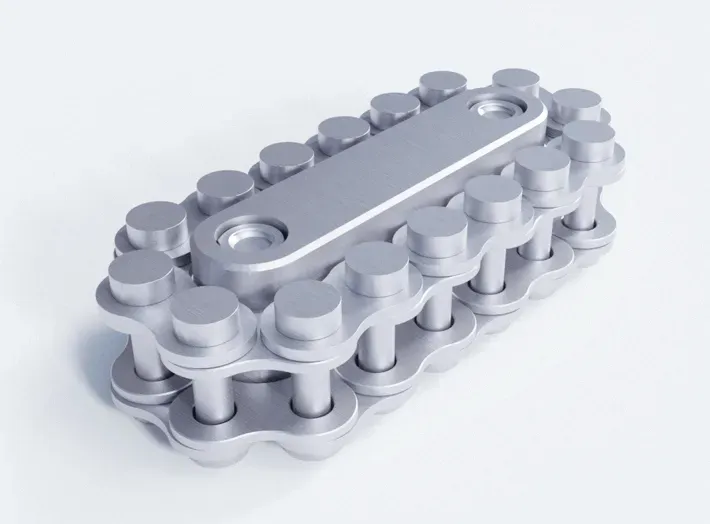
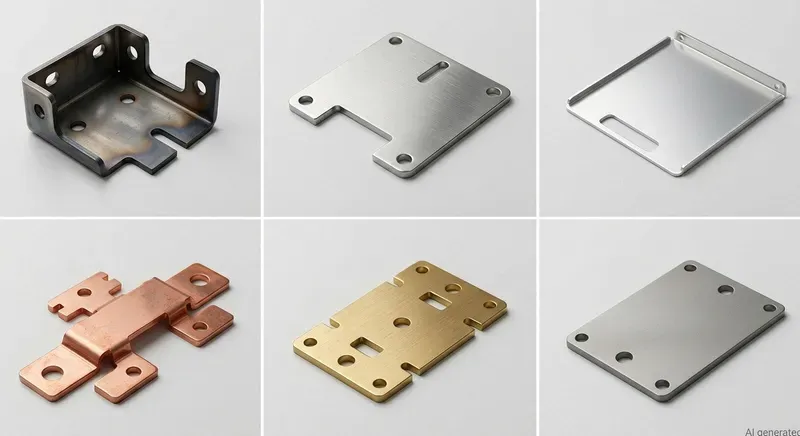
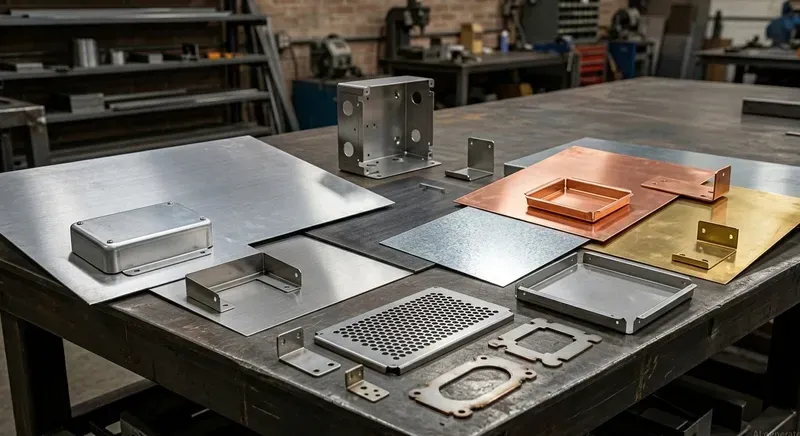
正確的表面處理能保護零件,並決定其外觀與耐磨表現。表面處理逐件在圖面上指定、按規格施工,並在訂單出貨前檢查——絕不視為事後補救。
功能性處理提升耐腐蝕與耐磨性;外觀處理控制外貌與質感。每個選項的相容性與成本影響,我們都會提供建議。
加工能力
- 陽極處理 Type II 與 Type III 硬陽極,可上色
- 電鍍:鎳、鋅、鉻
- 廣泛色系的粉體塗裝
- 不鏽鋼鈍化處理
- 拋光、珠擊處理與髮絲處理
- 雷射雕刻與網印
常用材料
表面處理適用於經我們服務加工或製造的鋁、不鏽鋼、碳鋼、黃銅與銅零件。
| 材料 / 牌號 | 常見交貨狀態 | 切削性 | 適用情境 |
|---|---|---|---|
| 鋁合金 6061 | T6(固溶處理及時效) | 容易:切削性佳,切屑控制良好 | 支架、機殼、治具,從試作品到進入量產 |
| 鋁合金 7075 | T6 / T651 | 較難:刀具磨耗較大,需要剛性設定 | 高強度、重量敏感零件;不適合焊接 |
| 不鏽鋼 304 / 304L | 退火 | 加工硬化:轉速較低、正前角進給 | 一般耐腐蝕,食品與製程設備 |
| 不鏽鋼 316 / 316L | 退火 | 較304更韌:刀具磨耗更大 | 氯化物、船舶、醫療與製藥環境 |
| 碳鋼 1018 / 1045 | 軋延態 / 正常化 | 容易至中等;需防鏽保護 | 軸件、板件、焊接組裝件、工裝本體 |
| 黃銅 C360 | H02 半硬 | 極佳:高轉速、表面潔淨 | 接頭、襯套、連接器、裝飾零件 |
| 銅 C110 | 退火 / H02 | 黏性強:需銳利刀具與大前角 | 導電、匯流排、熱管理 |
| 鈦 Grade 5 (Ti-6Al-4V) | 出廠退火(mill annealed) | 困難:低轉速、熱控制、刀具磨耗 | 航太、醫療與輕量化高強度零件 |
| 工程塑膠(POM、PEEK、PA) | 押出 / 退火 | 容易至黏性:軟爪、銳利刀具 | 絕緣、低摩擦、耐化學與耐磨零件 |
表面處理
從原加工面(去毛邊)到完整外觀等級:陽極處理等級、鍍層厚度、塗裝顏色與質感等級均依圖面指定。
| 表面處理 | 作用 | 適用時機 |
|---|---|---|
| 原加工面 | 留有刀痕;Ra 通常 1.6–3.2 µm | 零件只需具備功能 |
| 珠擊處理 | 均勻霧面,遮蓋刀痕 | 陽極處理前的外觀件 |
| 陽極處理 Type II | 生成氧化膜;可選顏色 | 鋁件外觀加上溫和的耐蝕與耐磨性 |
| 硬陽極處理 Type III | 更厚、更硬的氧化膜 | 滑動或磨耗的鋁件表面 |
| 鉻酸鹽皮膜處理 | 薄型保護膜且維持導電性 | 鋁件電氣搭接或接地 |
| 化學鎳 | 均勻、堅硬、耐蝕的鍍層 | 耐磨加耐蝕,含孔內 |
| 鍍鋅 | 經濟的犧牲性防蝕保護 | 室內或有遮蔽環境的鋼件 |
| 粉體塗裝 | 厚實、耐用、裝飾性塗層 | 外觀即為要求時 |
| 鈍化處理 | 移除游離鐵並重建氧化膜 | 加工後的不鏽鋼零件 |
| 應力消除退火 / 熱處理 | 在切削前後釋放殘留應力 | 必須撐過加工的薄壁與緊公差零件 |
公差
表面處理會增加厚度——陽極處理與電鍍都會影響最終尺寸。關鍵尺寸於塗層後精修或遮蔽;於圖面審查時確認。
| 圖面標註 | 需要什麼 | 對成本與交期的影響 |
|---|---|---|
| 一般:±0.25 mm / ±0.010 in | 標準刀具、尺寸抽檢 | 基準:不加價 |
| 標準:±0.13 mm / ±0.005 in | 機台狀況良好、首件檢查 | 小幅加價;最常見的報價預設值 |
| 緊:±0.025 mm / ±0.001 in | 研磨或鑽石刀具、溫控、三次元測量儀(CMM) | 階躍變化:切削更慢加上全數檢驗 |
| 精密:±0.013 mm / ±0.0005 in | 精修程序、量規、受控環境 | 加工主宰價格;常成為獨立工序 |
| 位置度 / 傾斜度(GD&T) | 基準控制,相關特徵一次設定完成 | 取決於基準跨多少次設定 |
| 表面粗糙度 Ra 0.8 µm 或更細 | 更細的步進、拋光或精修走刀 | 增加一個製程步驟,不只是加工時間 |
加工選項
- CNC machining is a subtractive manufacturing process.
- Finishing Options: Black Oxide, Electropolishing, ENP, Media Blasting, Nickel Plating, Passivation, Powder Coating, Tumble Polishing, Zinc Plating, Vibratory Tumbling
- EPX 82 is processed using Carbon DLS
- MUD is a type of mold that uses a standard injection molding frame.
- Different taper turning methods suit different jobs. Compound slides often handle short tapers, while CNC interpolation and taper attachments improve repeatability on longer parts
- G92 is used by programming one or more G92's right after the G76 threading cycle
- Estimates are provided through an auto-quoted method.
- EDM relies on a voltage and a thin wire
- Advanced machining processes like micro-machining and EDM are used to create small, precise mold cavities and cores
Surface Finish Reference
- The finish of MoldTech MT11010 is a fine matte texture.
- The finish of MoldTech MT11020 is a medium matte texture.
- The finish of MoldTech MT11030 is a coarse matte texture.
- SPI A-1 has a surface roughness of 0.012–0.025 µm.
- SPI B-2 has a finish of Medium semi-gloss.
- SPI B-2 has a surface roughness of 0.10–0.15 µm.
- SPI C-3 has a surface roughness of 0.63–0.70 µm.
- Super high gloss, polished with a Grade #3 (6000-grit) diamond buff to Ra 0.012–0.025 µm.
- Medium semi-gloss, finished with 400-grit paper to Ra 0.10–0.15 µm.
- Normal matte, polished with 320-grit stone to Ra 0.63–0.70 µm.
Tolerance Reference
- The tolerance with drawing for CNC Milling is as low as +/- 0.005 mm.
- FDM 3D printing offers a low-cost component with average accuracy and uses thermoplastics for 3D printing.
- Wire Cut EDM is highly accurate.
- The U6 H.E.A.T machine achieves tight tolerances.
- Die sinker EDM is capable of maintaining tight tolerances
- The shop needs to have CNC machines that can achieve a specific tolerance.
Industries We Serve
- antennas
- automotive
- CNC machined parts
- custom parts
- electronics
- medical diagnostic
- optical displays
- optical_systems
Material Reference
- ABS
- Austenitic Stainless Steel
- Carbon steel
- ceramic
- composites
- Copper - T2
- copper or graphite
- Hardened Materials
- High Impact Polystyrene
- Low-density polyethylene
- MDF
- metal
- Polybutylene Terephthalate
- SUS304
- thermoplastics
- thick metal sheets
- tungsten carbide
Related Processes
Anodizing
used for
Electroplating
used for
Painting
used for
Common Applications
- polished grade instruments
- Aerospace
- Automotive
Ordering, Lead Times & MOQ
Custom CNC parts carry no forced MOQ; ordering from a single prototype piece is standard industry practice.
Instant-quote platforms publicly advertise prototype lead times of 1-3 business days.
Online RFQ is the industry-standard flow: upload a 3D model (STEP/STP/DWG/DXF), receive an instant quote or engineer review, then production, inspection, and delivery.
常見問題
我的零件該選哪種表面處理?
取決於材料與功能。鋁件常以陽極處理取得耐蝕與硬度;鋼件採鍍鋅、鍍鎳或粉體塗裝;不鏽鋼常施以鈍化處理或維持髮絲面。告訴我們使用環境與外觀要求——我們會推薦最經濟的合適處理。
陽極處理或電鍍會改變零件尺寸嗎?
會。塗層會增加厚度(硬陽極累積明顯)。我們會在圖面審查時預先規劃:只處理非關鍵表面、遮蔽關鍵特徵,或以加工、研磨在塗層後精修。
可以對指定顏色嗎?
標準陽極顏色(本色、黑色與常見色調)與粉體塗裝 RAL 色系皆可即時提供。需要精確品牌色對色時,請提供 RAL 色號或實體樣品,我們會在量產前確認。
表面處理可以搭配標誌或零件標識嗎?
可以。雷射雕刻與網印可依所需外觀施作於處理之前或之後。請以向量格式(AI、PDF 或 DXF)提供圖稿,並在圖面上標明位置。
What is the minimum order quantity (MOQ)?
Prototypes from 1 pc. Low-volume production typical 50-500 pcs. No forced MOQ on custom parts; unit price drops with volume.
What is the typical lead time?
Industry benchmark: instant-quote platforms deliver prototypes in 1-3 business days. Our own production: prototypes 5-10 working days, including in-house QC and shipping. Production: 2-4 weeks depending on quantity/finishing. Express options exist; finishing adds days.
How do I get a quote and what information do you need?
3D files (STEP/IGS) + 2D drawing with tolerances. Material, quantity, finish, destination country. Quote turnaround: 24-48h typical.
What tolerance should I specify?
Specify tight tolerances only on critical features. Standard ±0.1 mm covers most features. Tighter tolerance = cost multiplier; apply selectively via drawing GD&T.
How is quality controlled?
First-article inspection in our own shop before the first production order. In-process checks. Final inspection report (dimensions) with shipment. Material certs (mill test reports) on request.
Is my design protected?
NDA before file exchange. Files used only for your production. No resale of custom designs.
Which material should I choose?
Function first: strength, weight, corrosion, cost. Common pairings: 6061 general, 304/316 corrosive env., PEEK medical. See materials guide pages.
Which surface finish do I need?
Anodizing for aluminum corrosion/wear/color. Passivation for stainless. Plating for conductivity/steel protection. Cosmetic vs functional distinction.
How do you ship and what terms?
DHL/FedEx/UPS express for samples and small batches. Air/sea freight for production volumes. Incoterms: EXW/FOB/DAP/DDP options.
Sources · 4
- staubinc.comUnclassified source
- hubs.comIndustry peer technical page
- rapiddirect.comIndustry peer technical page
- jlccnc.comIndustry peer technical page
Technical references cited for verifiability — not supplier recommendations. Browse the research library.
Related Knowledge
Capability commitments on this page are owner-confirmed (2026-09-21).