Phenolic Machining
Phenolic machining across paper, canvas, linen, N-1, G-3, G-7 and G-10/G-11 grades: dry machining without lubricant, dimensional stability under heat and humidity, G-7 service to 428 °F (220 °C).
Last updated: 2026-10-28
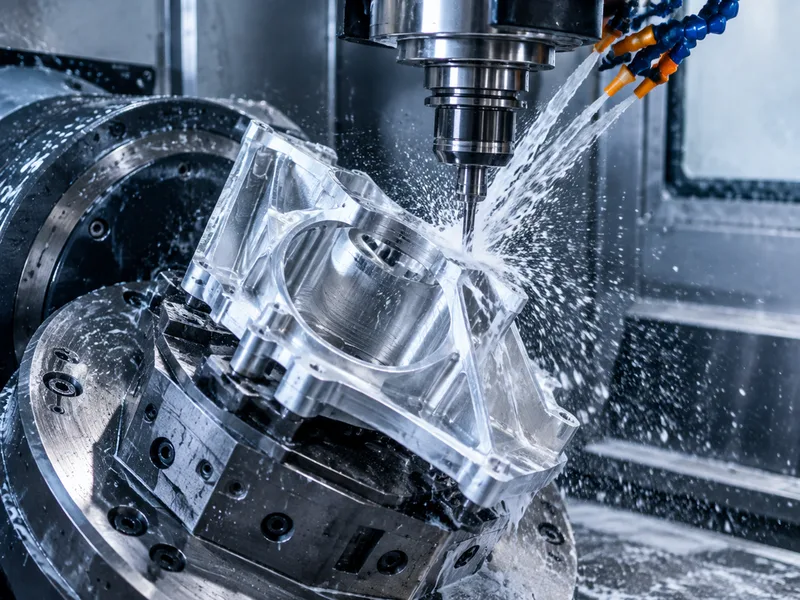
Phenolic laminates are thermoset composites — paper, canvas or linen fabric, nylon or glass fiber — bound in phenolic, silicone or epoxy resin and cured into stock shapes. They machine dry without lubricant, stay dimensionally stable under heat and humidity, and keep the insulative and dielectric properties that make them the classic material for terminal boards, PCB laminates, gears, cams and high-wear insulative components.
Grade choice drives everything: linen phenolics machine to fine detail and close tolerances, canvas grades carry wear, G-7 glass-silicone laminates resist 428 °F (220 °C) and self-extinguish, and the G-10/G-11 epoxy family (sold as Garolite) brings extreme strength and low moisture pickup — at the cost of needing carbide or diamond-tipped tooling and high spindle speed.
Specifications
| Specification | Phenolic Machining |
|---|---|
| Tolerance | Close tolerances achievable with fine-weave grades (linen phenolic); collected source publishes no numeric band |
| Lead Time | Quick-turn prototypes and production parts in days (market-typical) |
Materials
Surface Finishes
Phenolic machining covers the thermoset laminate family — paper, canvas and linen-reinforced phenolics, nylon-reinforced N-1, glass-reinforced G-3, silicone-resin G-7 and the glass-epoxy G-10/G-11 (Garolite) grades. The material machines dry without lubricants, stays dimensionally stable under heat and humidity, and holds insulative and dielectric properties that make it the classic choice for terminal boards, PCB laminates, gears, cams and high-wear insulative components. G-7 grades carry service to 428 °F (220 °C); fine-weave linen grades achieve close tolerances, while stronger glass-reinforced grades need carbide or diamond-tipped tooling at high spindle speed.
Values above are the collected catalog specification envelope for this product family. Tolerances and lead times at the demanding end of a range are confirmed for the specific geometry, material and batch at quotation.
Applications & Selection Points
Electrical and dielectric components
Paper-reinforced grades and the FR signifier family live in printed circuit boards, terminal boards and insulative components, where dielectric strength and flame retardance matter more than mechanical load. N-1 holds its electrical properties even in high humidity.
Gears, cams and high-wear parts
Canvas and glass-reinforced phenolics are the standard non-metal answer for gears, cams and wear strips: they carry repeated stress and heat without lubrication, and they will not gall against mating metal the way metal-on-metal contact does.
Heat and harsh environments
G-3 and G-7 retain strength at sustained high temperature — G-7 to 428 °F (220 °C) with moisture resistance and self-extinguishing behavior — which is why they hold oven hardware, appliance insulation and high-temperature electrical insulation applications.
When phenolic is the wrong material
Phenolics are thermosets: they cannot be re-melted or injection molded, and their laminated structure limits very fine cosmetic surfaces. If the part needs welding, elastic deflection or continuous service above the grade temperature band, thermoplastics or metals route better — the machining-grade alternatives page covers the substitution logic.
Frequently Asked Questions
Which phenolic grade should I specify?
Paper grades for electrical insulation and PCB work; canvas for general mechanical wear; linen where fine detail and closer tolerances matter; N-1 for humid electrical environments; G-3/G-7 where heat and strength combine; G-10/G-11 (Garolite) for maximum strength and low moisture pickup. Name the working environment and temperature, and let the grade follow from it.
What tolerances can phenolic machining hold?
Fine-weave grades such as linen phenolic achieve close tolerances and fine detail. The collected market sources publish no numeric tolerance band for the material family — phenolic also moves with humidity less than thermoplastics but more than metal, so quote the drawing callouts and confirm critical dimensions at quotation.
What does a phenolic machining quote need?
The 2D/3D model with tolerances, the grade (or the application and environment to choose one), stock-form constraints — some grades exist only as sheet — quantity, and edge-quality expectations. Phenolic dust is abrasive and unpleasant: suppliers plan dust extraction and burr management into the route, so say if edges must be finished.
Ordering & Documentation
Documents
A drawing or model with grade callouts and tolerances; state the working temperature and humidity if the grade is open. Flag any flame-retardance or military spec (Mil-I-24768 series) requirement — it narrows the grade set.
Quotation
Pricing inputs: grade and thickness, stock form availability (sheet-only grades cannot be quoted as rod or tube), tolerances, edge finish, quantity. Glass-reinforced grades price higher for tooling: diamond or carbide tooling and slower feeds are part of the route.
Sample & Supply
A first-article part confirms grade identity and edge quality before the batch — phenolic grades look alike but machine and wear differently. For production quantities, confirm the stock lot can sustain the whole campaign.
Storage & Shipping
Phenolics are stable in normal storage but absorb some moisture at cut edges; bag finished parts for humid environments. Machining dust clings — parts ship cleaned, and padded packing protects machined edges from chipping.