Surface Finishing
Surface finishing for machined parts: anodizing to MIL-A-8625 (Type II 4–12 µm, Type III hardcoat ~50 µm to 125 µm), passivation to ASTM A967, plating, powder coating, blasting and polishing.
Last updated: 2026-10-26
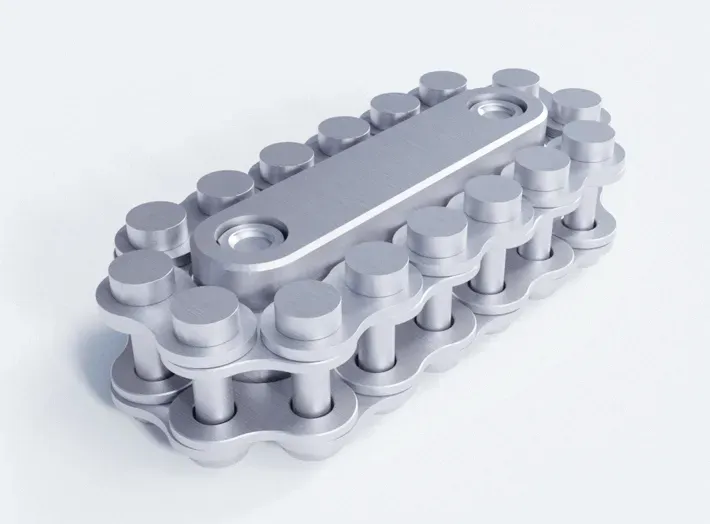
Surface finishing is where a machined part acquires the properties its geometry cannot carry alone: corrosion resistance, wear life, electrical behavior, color, and the surface texture the application feels. The service covers anodizing (Type II and Type III hardcoat), passivation, black oxide, zinc and electroless nickel plating, powder coating, bead blasting, polishing and electropolishing, and painting — matched to the substrate rather than chosen from a menu.
The anchor specifications are the ones buyers audit against: anodizing to MIL-A-8625, with Type II at 4–12 µm and Type III hardcoat around 50 µm and up to 125 µm; passivation to ASTM A967. Substrates in scope are aluminum, titanium and stainless steel — the metals that dominate machined part programs and the ones whose finishing routes are least interchangeable.
Specifications
Materials
Surface Finishes
Surface finishing services covering anodizing, passivation, plating, powder coating, bead blasting, and polishing for machined parts. Finishes are matched to material and function, with guidance on thickness allowances, achievable Ra values, and lead times.
Values above are the collected catalog specification envelope for this product family. Tolerances and lead times at the demanding end of a range are confirmed for the specific geometry, material and batch at quotation.
Applications & Selection Points
Aluminum anodizing — Type II vs Type III
Type II anodizing (4–12 µm) is the general-purpose architectural-and-components finish: corrosion protection, a dyeable surface, dimensionally modest. Type III hardcoat (~50 µm, up to 125 µm) is the engineering grade — wear surfaces, abrasion, electrical insulation — and it grows the part dimensionally, so coating thickness belongs on the drawing as a tolerance-bearing callout. Both execute to MIL-A-8625; the choice is a function question, answered by wear environment and dimensional budget.
Stainless passivation and black oxide
Stainless steel parts leave machining with free iron smeared into the surface — passivation to ASTM A967 removes it and restores the corrosion performance the alloy grade promises without changing dimensions. Black oxide answers a different brief: light protection and low reflectance where a dimensional change cannot be tolerated. The two are often confused because both are "rust prevention"; they differ in what they do to the surface and what they cost.
Plating for conductivity, corrosion and wear
Zinc plating (clear, blue or yellow) protects steel fasteners and hardware at commodity cost; electroless nickel deposits uniformly even in recesses and bores, which is what makes it the plating of record for precision components — the thickness arrives where the chemistry reaches, not where a rack points current. Conductive and solderability requirements route to plating rather than anodize, since anodize is an insulator.
Cosmetic and texture finishes
Bead blasting sets the matte baseline texture most "machined look" parts carry before anodize; polishing and electropolishing move the other direction, toward reflectivity and cleanability — electropolishing especially for medical and food-contact surfaces where the finish is a hygiene requirement, not a preference. Powder coating and painting add color and environmental protection where the substrate cannot be anodized or the design wants a painted class of finish.
Masking and critical surfaces
Finishing a machined part is as much about what is not finished: threads that must stay threadable, bores that carry a tolerance the coating would eat, contact points that must stay conductive. Masking callouts belong on the drawing with the same status as tolerances — a plating lot with unmasked seats returns as scrap, not as a deviation.
Frequently Asked Questions
Type II or Type III anodizing for my aluminum part?
Type II (4–12 µm, MIL-A-8625) is the default for corrosion protection and appearance, including dyed finishes, and its dimensional effect is small. Type III hardcoat (~50 µm, up to 125 µm) buys abrasion resistance and electrical insulation for wear surfaces and housings that see contact — at the cost of a dimensional build that must be drawn as a thickness callout. Choose Type III when the surface wears; choose Type II when it only has to survive.
Which finish for stainless steel parts?
Passivation (ASTM A967) is the baseline: it strips machining residue so the alloy's own corrosion resistance works, with no dimensional change. Bead blasting or polishing come first if the surface texture matters; black oxide follows passivation when low reflectance is required. Plating stainless is rare — the alloy is the corrosion protection, and the finishing spend usually goes on texture and cleanliness instead.
What does a finishing RFQ need to quote accurately?
Substrate alloy and temper, the finish with its specification class (MIL-A-8625 type, ASTM A967, plating thickness), any masking requirement, and whether the parts arrive machined or pre-finished. Thickness-class callouts on dimensionally critical features are the frequent omission — state them and the quote prices masking and process control correctly instead of discovering them at inspection.
Ordering & Documentation
Documents
Finish callout with specification and class (e.g. anodize per MIL-A-8625, Type II or III with thickness band; passivation per ASTM A967), masking drawing for critical features, substrate alloy, and incoming condition of the parts. The finish spec is read as a tolerance-bearing requirement — quote and inspection both execute against it.
Quotation
Pricing inputs: process and thickness class, batch size and part geometry (racking, masking), substrate, and incoming finish state. Finishing quotes against the batch; combining it with the upstream machining order sequences the steps and removes a handling loop — confirmed at quotation.
Sample & Supply
Finish lots run after first-article approval of the machined part. Thickness-critical finishes (Type III hardcoat, electroless nickel on precision seats) verify against the specified band; appearance finishes verify against an approved sample panel. Repeat orders reference the approved sample and spec class so batch and batch match.
Storage & Shipping
Finished parts ship with surfaces separated — anodize and plating are hard but not immune to rub damage in transit. Powder-coated and painted faces are the most vulnerable; packed faces together they arrive as rejects. Store indoors in original packaging; condensation attacks bare masked areas first.